Home
Products
FAQContact
HFO · IFO 180/380 · LSFO · IMO 2020

Fuel Oil (Furnace Oil) —
High-Energy Fuel for Heavy Industrial Applications

Residual fuel oil for boilers, power generation plants, marine bunkering, and large-scale industrial heating. Multiple viscosity grades with bulk delivery across the UAE and export markets.

Marine Bunkering
Power Generation
Industrial Boilers
IMO 2020 ≤0.50% S Available
Export Markets
Fuel Oil / Furnace Oil
Product Overview

The Workhorse Fuel of Global Industry & Shipping

Fuel oil — also known as furnace oil, heavy fuel oil (HFO), bunker fuel, or residual fuel oil — is the heaviest fraction of the petroleum refining process. After gasoline, kerosene, and diesel have been distilled, what remains is a thick, high-energy residual oil characterized by its high viscosity, high energy density, and relatively low cost per unit of energy.

It is the fuel of choice where: fuel cost is the dominant operating expense, combustion equipment is designed for heavy fuel, on-site heating and treatment infrastructure is available, and emissions regulations permit residual fuel use.

Handling Note: Fuel oil requires heated storage, transfer line heat-tracing, centrifuges/purifiers, and specialized burner equipment. It is NOT a drop-in replacement for diesel. Ensure your facility has the required infrastructure before ordering.
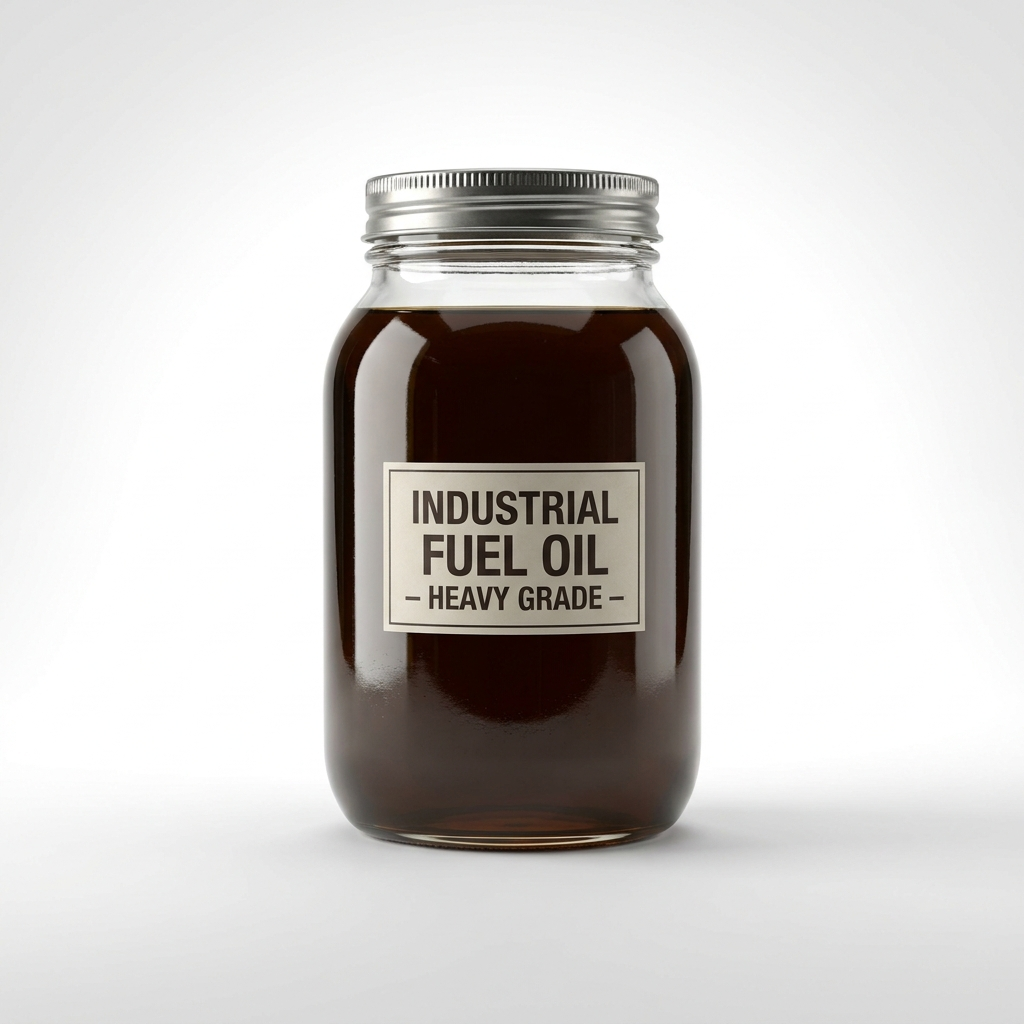
Grades Available
IFO 180 (Light Fuel Oil)
Viscosity: 40–180 cSt at 50°C
IFO 380 (Heavy Fuel Oil)
Viscosity: 180–380 cSt at 50°C
LSFO ≤0.50% S (IMO 2020)
Both 180 & 380 cSt grades
Technical Specs

Fuel Oil Grades & Specifications

IFO 180 — Light Fuel Oil
ISO 8217 RMA–RMD Grades / ASTM D396 No. 4–5
Medium-Speed Engines
Density at 15°C920–970 kg/m³Viscosity at 50°C40–180 cSt
Sulfur Content0.5–3.5% m/m (LSFO ≤0.50%)Flash Point≥ 60°C (SOLAS)
Pour Point10–30°C (heated storage)Calorific Value~40–42 MJ/kg
Water Content≤ 0.5% v/vAsh Content≤ 0.10% m/m
Vanadium≤ 200–350 mg/kgAl+Si (Cat Fines)≤ 40–60 mg/kg
IFO 380 — Heavy Fuel Oil (HFO)
ISO 8217 RME–RMK Grades / ASTM D396 No. 6 / Bunker C
Slow-Speed 2-Stroke Engines
Density at 15°C960–1,010 kg/m³Viscosity at 50°C180–380 cSt
Sulfur Content1.0–3.5% m/m (LSFO ≤0.50%)Pour Point15–35°C (heated at 40–60°C)
Calorific Value~39–41 MJ/kgCarbon Residue≤ 18% m/m (MCR)
Vanadium≤ 300–450 mg/kgSodium≤ 50–100 mg/kg
Low-Sulfur Fuel Oil (LSFO) — IMO 2020 Compliant

Per MARPOL Annex VI, fuel oil on ships must contain ≤0.50% m/m sulfur unless a scrubber is installed. Hibernia Diesel supplies LSFO meeting IMO 2020 requirements — a blend of residual and distillate components formulated to achieve ≤0.50% sulfur while maintaining acceptable combustion and handling characteristics. Available in both 180 cSt and 380 cSt viscosity grades.

Fuel Oil / Furnace Oil application
Applications

Who Uses Fuel Oil?

Marine Bunkering

The largest global market for fuel oil. Deep-sea vessels — container ships, tankers, bulk carriers — burn IFO 380 in slow-speed 2-stroke main engines. Vessels either use LSFO (≤0.50% S) for IMO 2020 compliance, burn high-sulfur HFO with scrubbers, or switch to MGO in ECAs.

Power Generation

Large stationary diesel engines and steam turbines in power plants where fuel oil is cost-competitive. Fuel oil-fired plants require heating, treatment systems, and emission controls. Common in Middle East, South Asia, Africa, and island nations.

Industrial Boilers & Furnaces

Refineries and petrochemical plants, cement kilns, desalination plants, district heating systems, large-scale manufacturing requiring process steam. Typically the lowest-cost heat source for large-scale industrial applications.

Asphalt Plants

Hot-mix asphalt production requires significant heat for aggregate drying and heating. Fuel oil is commonly used as burner fuel in asphalt drum dryers — a high-consumption, cost-sensitive application where fuel oil's energy density and cost advantage matter most.

Handling Requirements

What You Need to Handle Fuel Oil

Heating Systems

Storage tanks require steam or electric heating coils (40–60°C for IFO 380). All fuel lines must be heat-traced and insulated. Pre-combustion heating to 90–140°C required for proper atomization.

Fuel Treatment

Centrifuges/purifiers to remove water, sludge, and solids. Coarse and fine filtration. Settling tanks. Essential for marine engines, strongly recommended for sensitive industrial burners.

Burner Compatibility

Rotary cup, steam, or air atomizer burners — not simple pressure jet nozzles. Refractory-lined combustion chambers. Soot blowing systems for heat exchange surface deposits.

Emission Control

SO₂ emissions proportional to sulfur content — verify environmental permit compliance. Electrostatic precipitators or baghouse filters may be required for large installations. NOx typically higher than natural gas.

Delivery

Fuel Oil Delivery Options

Delivery MethodDetails
Bulk Tanker5,000–12,000 IG per delivery. Insulated or heated tankers for IFO grades. Direct to your heated storage tanks within the UAE.
Marine Bunkering (Truck-to-Ship)Truck-to-ship at UAE ports. Heated tankers available for IFO/LSFO up to 380 cSt. Documentation: BDN with MARPOL Annex VI sulfur declaration. Ports: Port Rashid, Jebel Ali, Hamriyah, Port Khalid, Ajman, RAK, Fujairah.
Barge DeliveryShip-to-ship bunker barge at UAE anchorage (primarily Fujairah). Arranged on request — large minimum quantities apply. Via partner barge operators.
Export / InternationalBulk vessel cargo lots from 500–50,000+ MT. FOB, CIF, CFR terms available. Full export documentation including independent SGS/inspector survey reports.
FAQ

Common Questions

What's the difference between IFO 180 and IFO 380?
The numbers refer to kinematic viscosity at 50°C in centistokes (cSt). IFO 380 is thicker, requiring more heating for storage and transfer. IFO 380 is standard for most deep-sea vessels; IFO 180 is often used in medium-speed engines or as start-up fuel for HFO systems. Choose based on your equipment manufacturer's specification.
Is your fuel oil IMO 2020 compliant?
We supply both IMO 2020 compliant LSFO (≤0.50% sulfur) and non-compliant HFO (≤3.5% sulfur, for vessels with scrubbers). Specify your sulfur requirements when ordering. We provide a sulfur declaration with every bunker delivery note per MARPOL requirements.
Can I burn fuel oil in my diesel generator or boiler designed for diesel?
Generally NO — only for equipment specifically designed as dual-fuel or multi-fuel. Standard diesel generators and burners cannot handle fuel oil's high viscosity, contaminants, and different combustion characteristics. Using fuel oil in diesel-designed equipment will clog filters and nozzles, cause incomplete combustion, excessive smoke, rapid coke buildup, and equipment damage.
Do you supply fuel oil for power plants?
Yes. We supply fuel oil to independent power producers (IPPs) and industrial captive power plants. Large-volume contracts with guaranteed specifications, delivery schedules, and pricing formulas are available. Contact our trading desk with your plant's fuel specification and annual volume.

Get Heavy Fuel for Heavy Industry

Tell us your required grade, sulfur level, monthly volume, and delivery location. We'll provide a competitive quotation and advise on logistics.